



Setting up multiple companies to separate business interests can seem very straight forward. There are however important considerations. We explore the implications of owning too many companies.
Unlocking VAT Opportunities for Developers: Transforming Disused Houses
22 August 2024
Reducing Tax
For property developers, the ever-evolving real estate landscape offers opportunities in unexpected places.
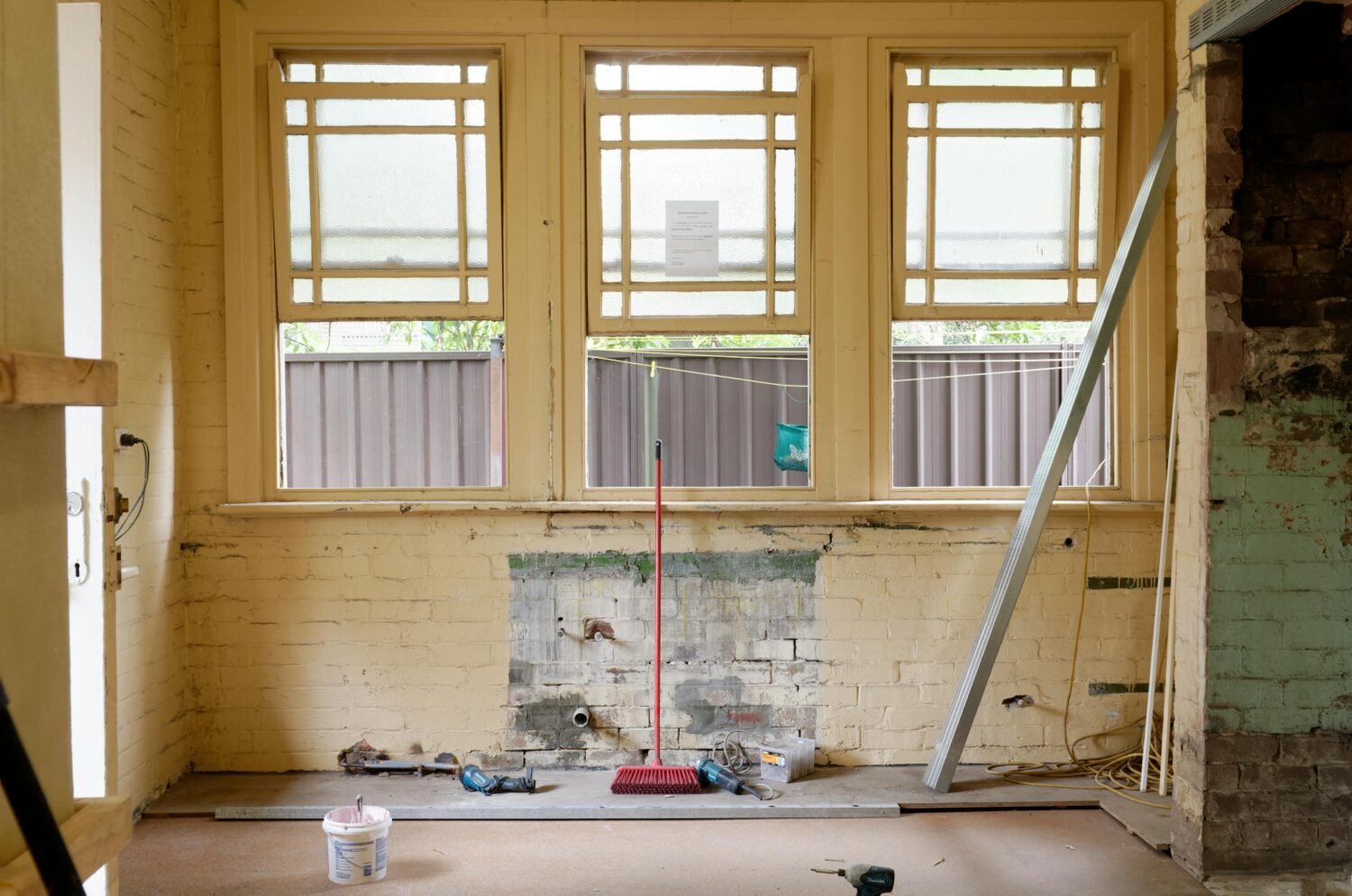
One area where hidden potential lies is in revitalising disused houses, which can open doors to significant VAT (Value Added Tax) savings.
In a previous blog, we discussed the common mistakes property developers make, one of which is overlooking VAT opportunities.
Projects that deviate from the standard “buy residential, refurbish, and sell” model, which typically involves exempt supplies for VAT, can present valuable VAT advantages.
Here, we focus on two VAT opportunities that developers might easily overlook when renovating disused residential properties.
VAT Relief on Renovation Works
The UK government offers a reduced VAT rate of 5% for renovating and altering residential properties that have been unoccupied for at least two years.
This reduced rate applies to a wide range of eligible works, from structural repairs to modernising plumbing and electrical systems.
By taking advantage of this VAT relief, developers can significantly reduce renovation costs, making these projects more financially viable.
Zero-Rating of Long-Empty Residential Properties
Another valuable VAT opportunity arises when converting a non-residential building into a new dwelling intended for relevant residential use.
Such conversions can be zero-rated, allowing developers to recover VAT on costs while avoiding the need to charge VAT upon sale.
Crucially, for VAT purposes, non-residential buildings can include residential properties that have not been lived in for at least 10 years.
This zero-rating can make developing long-vacant properties particularly attractive, as it enhances profitability and market appeal.
Proving the Property Has Been Empty
Given the generous VAT opportunities, it’s essential to provide evidence that a building has been empty for the required 2 or 10 years before work begins.
Reliable proof can be obtained from sources such as the Electoral Roll, Council Tax records, utility companies, or a letter from an Empty Property Officer.
If you obtain a letter from an Empty Property Officer certifying that the property has been empty, no additional evidence is required.
However, the officer may provide a best estimate if the exact timeline is unclear.
When determining whether a property has been unoccupied, certain uses do not count as occupancy, such as:
- Illegal occupation by squatters
- Occupation by ‘guardians’
- Use for non-residential purposes, like business storage
It’s important to note that these VAT opportunities do not apply if the property has been used occasionally, such as for a second home.
Summary
Navigating VAT in property development can be complex, but the opportunities are substantial.
Many councils are eager to see disused houses brought back into use and may assist developers by connecting them with property owners ready to sell.
By understanding and leveraging VAT opportunities, developers can increase project profitability while contributing to the housing market at a time when demand is high.
If you’re a property developer, we’d love to help you explore these VAT opportunities and other ways to grow your business.
Getting in Touch
If you’re a property developer, we’d love to help you explore these VAT opportunities and other ways to grow your business.
To discuss VAT opportunities as a developer or your overall strategy then call us to discuss how we can assist you in navigating your project for your optimum tax position.
Our Services
To read more about what we do and who we work with please see our related pages below:
Property Investors & Developers
Blogs related to VAT Opportunities for Property Developers
Take a look at our other blogs on the topic of VAT opportunities:
Navigating VAT Complexities: Tips for Avoiding Costly Mistakes
Unlocking the VAT Advantage in the Property Construction & Development World
The content in this blog is correct as of 22nd August 2024. See terms and conditions.

